

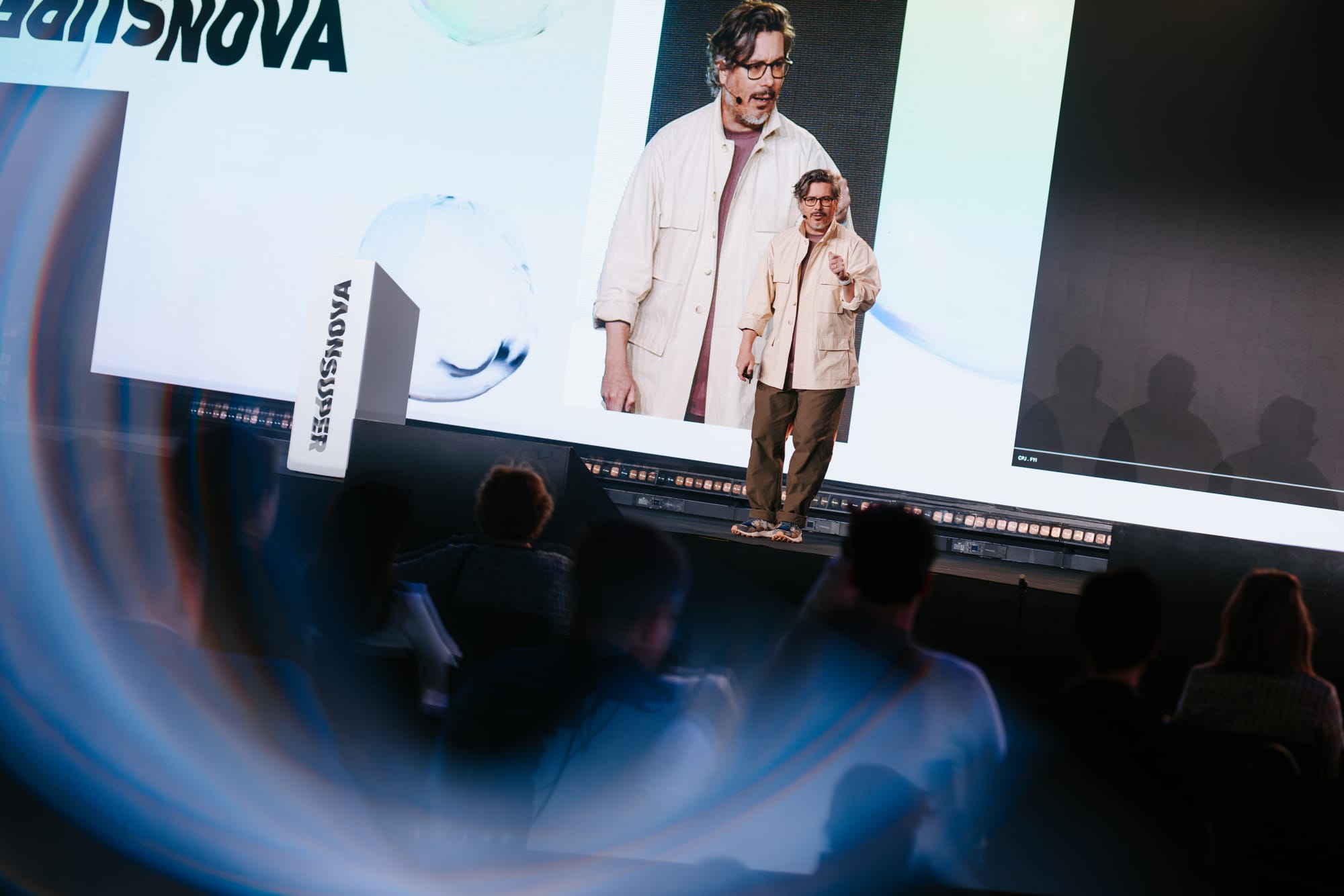
I gave a talk last week at Supernova in Antwerp. Here's roughly what I said.
I want to tell you about three of the most beautiful moments I've ever had at work.
The first was in a cramped, greige conference room outside London. The kind with a window that looks out into a car park and a thermostat that lies to you.
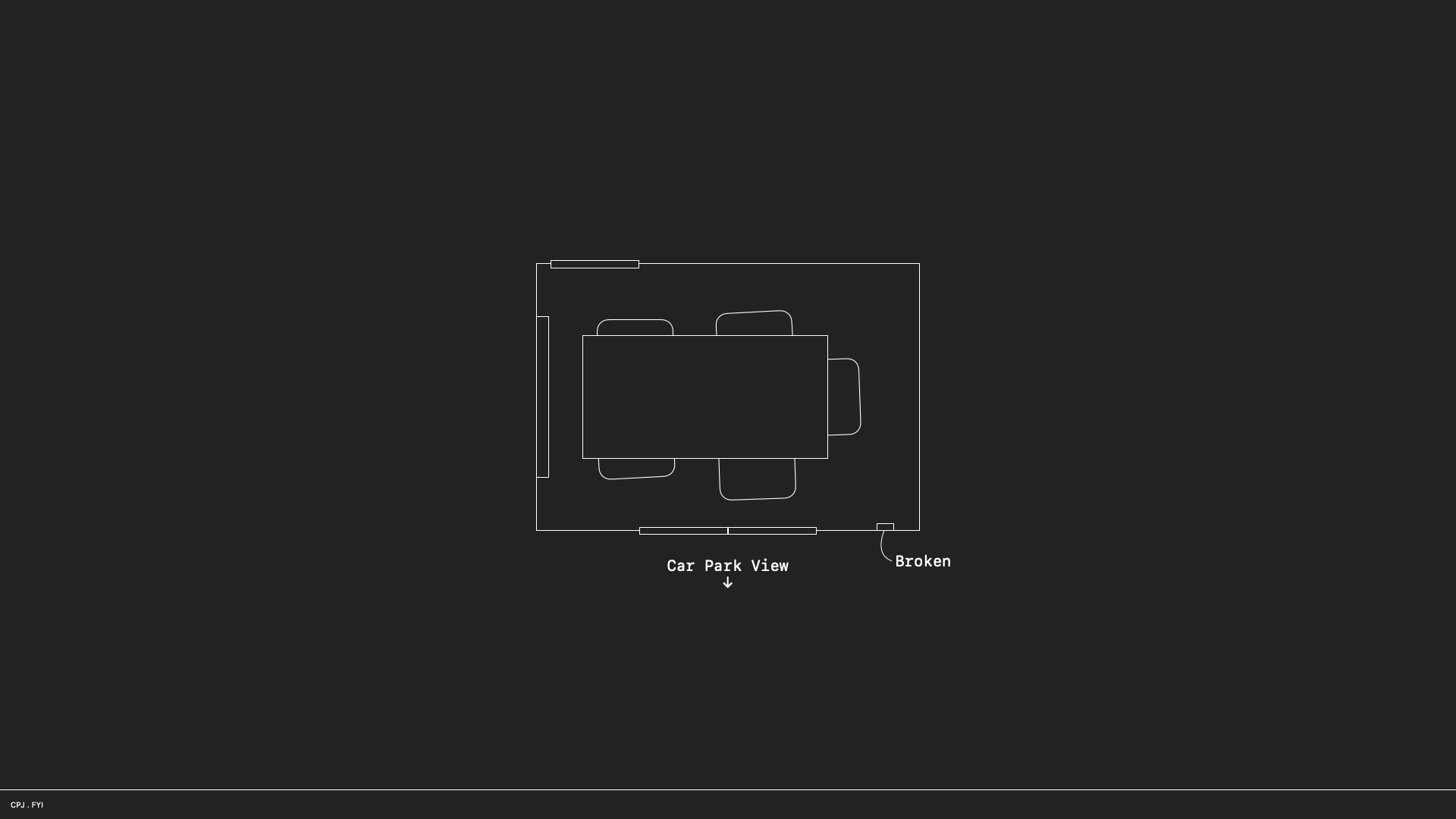
Four junior employees, a Google spreadsheet they weren't supposed to be using, and me.
One of them looked up and said, "We did it." They had just cracked a pricing strategy that had stumped the entire company for a year.
Senior leadership had thrown consultants at it, task forces at it, a very expensive offsite at it. These four people solved it in two weeks. What did we give them? Nothing. We cleared their calendars. That's it.
The second was a Zoom grid in 2021. A strategist, an art director, a media planner, all of them ground down by nine-month campaign cycles.

Nine months to launch a single campaign. The same amount of time it takes to grow a human being.
One Tuesday the art director stopped mid-sentence and said, "Why are we doing it this way?" Nobody had an answer. Not because the answer was complicated, but because the answer was nobody knows. It had just always been nine months.

We asked them: what if you threw out the plan? Within two weeks they were testing new creative ideas directly with Twitch, Meta, and Roblox, and within six months they’d written a playbook for marketing in a new era. When applied across the entire portfolio, that new playbook grew their share of wallet by $400 million. With the same people, the same budget, and the same tools.
The third was with a major luxury retailer's US marketing team in 2024: hundreds of people, campaigns across every channel, a brand that could not tolerate mediocrity.
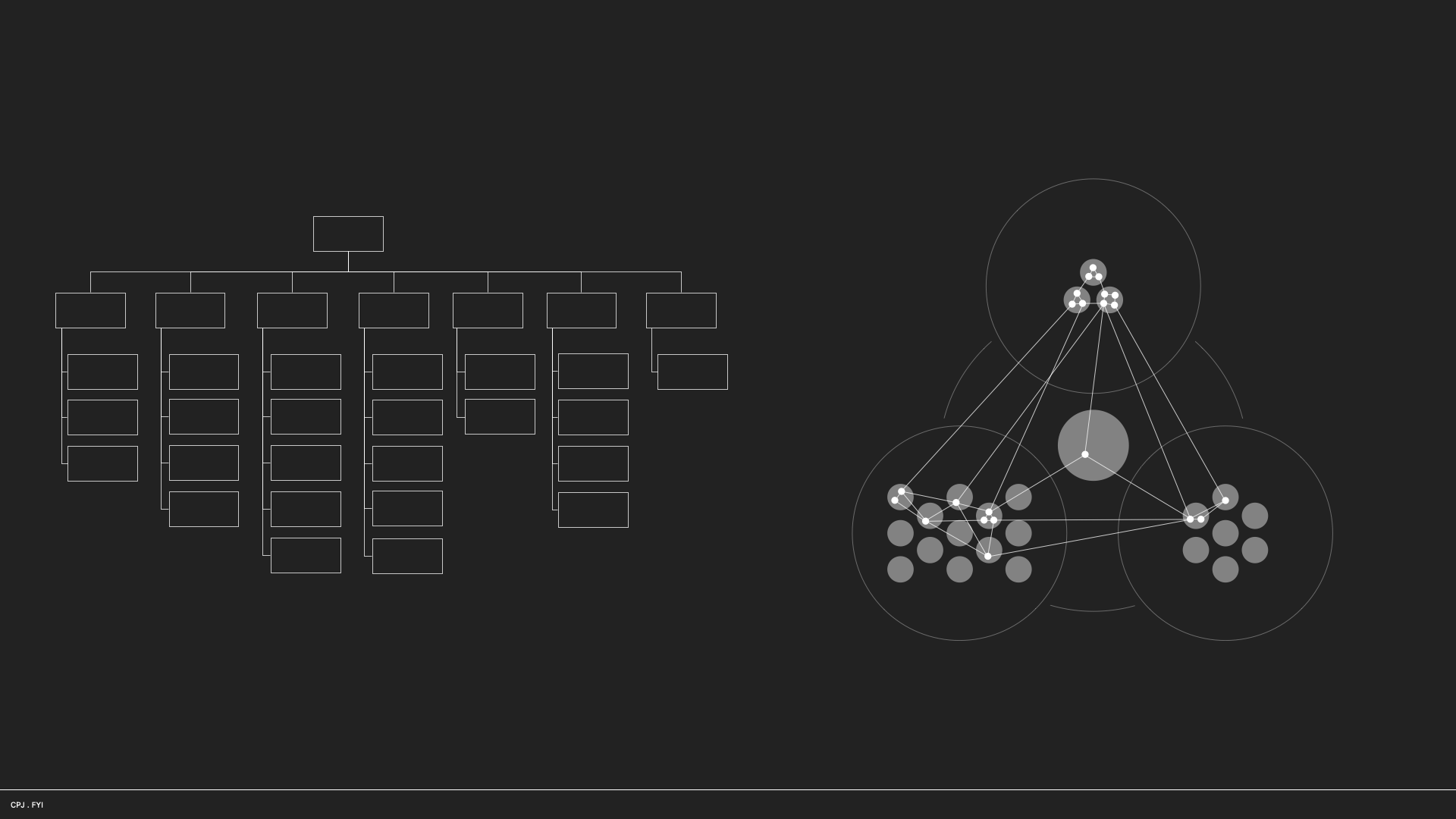
They went all the way in: a full network-of-teams model with real autonomy and clear standards.
About six months later, one of the senior leaders (someone who had been diplomatically skeptical the entire time) called me and said, "I have to be honest with you. I didn't quite believe this was going to work. But it did. The teams are moving faster than they ever have, and I'm not losing sleep over quality."
Now let me take you somewhere less beautiful. A boardroom. A Chief Digital Officer with great hair and great slides.
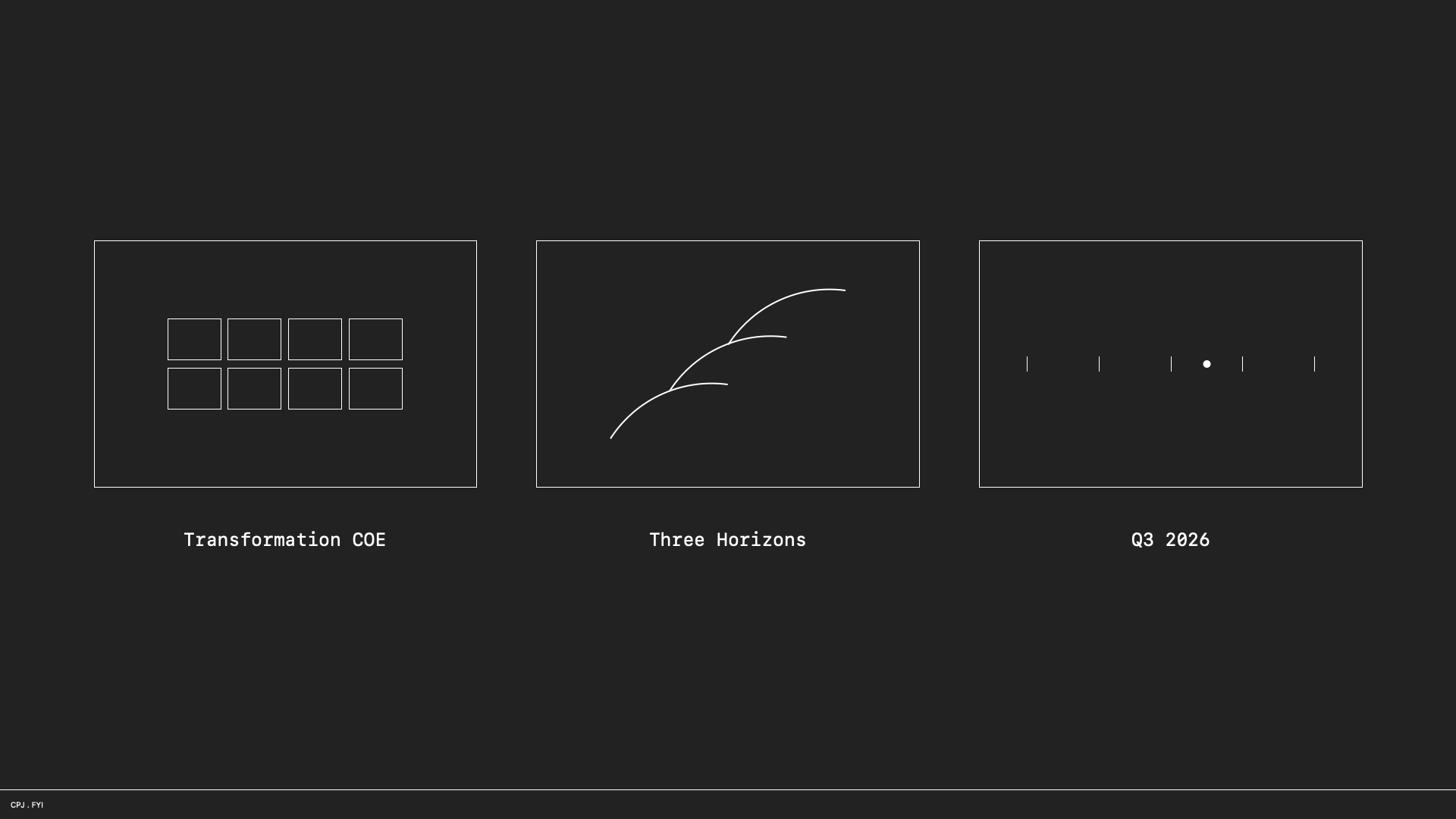
A three-horizon AI transformation roadmap. A center of excellence. A governance framework, AKA a PDF that nobody will read. And a plan to get it all done by Q3 of this year. Spectacular. And none of it is going to work.
Why do the first stories work (all of which are true, btw) and this one never does? The same pattern was present in every story: we removed an invisible barrier, and people moved.
By the way: the thing about $400 million dollars with the same people and the same budget. I think about this example every time someone tells me the path to performance is cutting costs. There is free money sitting inside your organization right now, but it's trapped under process and approvals and timelines that nobody ever questioned. The answer isn't to cut costs or even to invest more. It's to remove the stuff that's in the way.
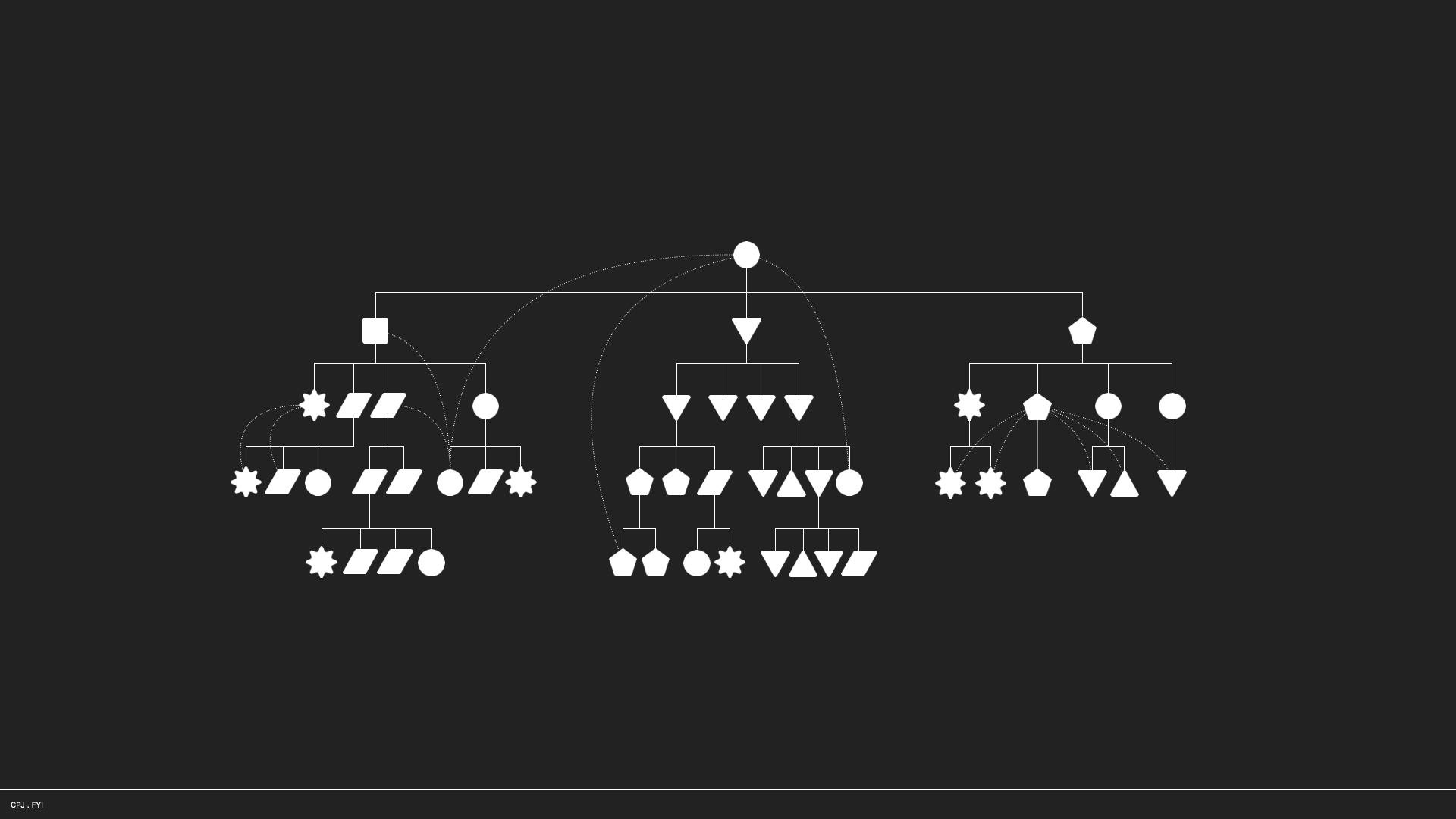
For fifteen years I've been doing what I can only describe as organizational surgery, for every kind of company you can imagine, but always for a particular kind of leader who believes that something is broken in our systems, and that a better thing is possible.
And the pattern was always the same. The thing that's blocking people is never visible in the org chart, the strategy deck, or the performance review.
It's in the meeting that exists so a manager can feel informed. It's in the approval chain where nobody actually approves anything...they just slow it down. It's in the strategy role that's really just glue holding two teams together that should just talk to each other. It's in the meeting before the meeting, where the real decisions get made so the actual meeting is just comfortable theater.
It's the accumulated weight of how an organization decided, without ever actually deciding, that people's time and judgment weren't their own.
You know this. You've felt it. You've sat in a meeting and thought, I could be doing the work right now, but instead I'm explaining the work to someone who's going to ask me to explain it again next week.
The lights come on
AI is removing grunt work at enormous speed. Translation, first drafts, data wrangling, summarization, the forty-five minutes you used to spend turning a meeting transcript into a status update: disappearing. In theory, this should free up millions of hours for the work that actually matters: the thinking, the building, the creative leaps.
But what's going to happen to those hours? Will organizations let people use them? Or will they fill them with more meetings, more dashboards, more status updates about the status updates?
I think AI is going to be like turning on the lights at a party, and a lot of organizations are not going to love what they see. When you remove the grunt work, what's left is the stuff that was always underneath. The real blockers. And they're not technical.
The bottleneck was never effort. It was never the tools. It was never that people didn't have enough hours. It was permission. Permission to move. Permission to speak up. Permission to select your leaders. Permission to ship without asking. Permission to fail.
That's the bottleneck. It always has been.
Patterns even over plans
Those three breakthroughs from our journey were structural changes; I've spent the last decade trying to understand what others can learn specifically and do specifically in order to bring more of this yes, finally energy to their workplaces. What I have come to understand is that the real magic is in the small, repeatable moves that unlock organizations. These are specifically not grand operating models. They are specifically not reorganizations, and I am eager to design for a future where there are fewer of those, not more. Instead, these are moves, like a chess opening or Jordan's signature shimmy. They are recipes, but more like mirepoix than Joel Robuchon's pommes puree: they are humble, repeatable, waiting for you to adapt them.
I ended up with seventy-five of them, each one connected to the others, a system. And I wrote a book about it, because everybody talks about the big things (psychological safety, self-management, empowerment) but nobody tells you how to actually get there. It's great to say you want psychological safety. But what has to be true before that's even possible? You might want rounds for managing discussion. You might want consent-based decision-making. You might want to make a distinction between your role and who you are, so people aren't fused with their title. Each of those is a concrete thing you can do right now.
Or take elections: peer-driven leadership selection. Sounds radical, because it is! But why? Because you probably don't have structured decision-making yet. You don't have team charters. You don't have advice processes. Elections sit at the top of a web of dependencies, and if you try to bolt them on without the foundation, they collapse. The whole point of the book is to make those dependencies visible, to break the big, aspirational stuff down into the small moves that make it real.
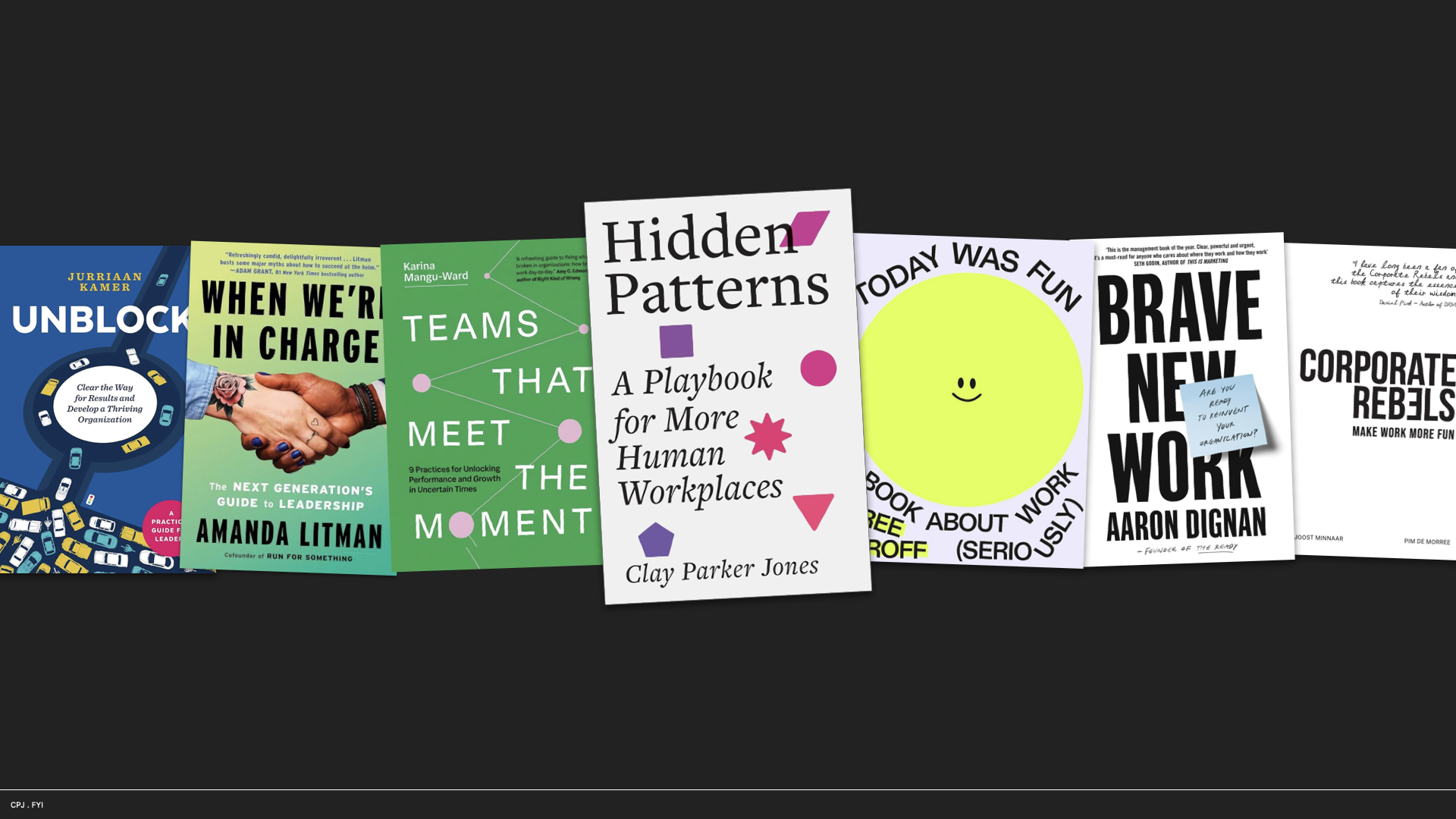
I'm not alone in this. There's a whole shelf of us now! Bree Groff's Today Was Fun, Aaron Dignan's Brave New Work, Jurriaan Kamer's Unblocked, Karina Mangu-Ward's Teams That Meet the Moment, the Corporate Rebels, Amanda Litman's When We're In Charge. Different angles, but with the same core insight: the way most organizations work is broken, and there are better patterns hiding in plain sight.
The data
In preparation for this talk, I got curious: do organizations that actually run on these patterns outperform the ones that don't? Is this real, or is it just a nice framework that looks (very, IMO) good on a bookshelf?
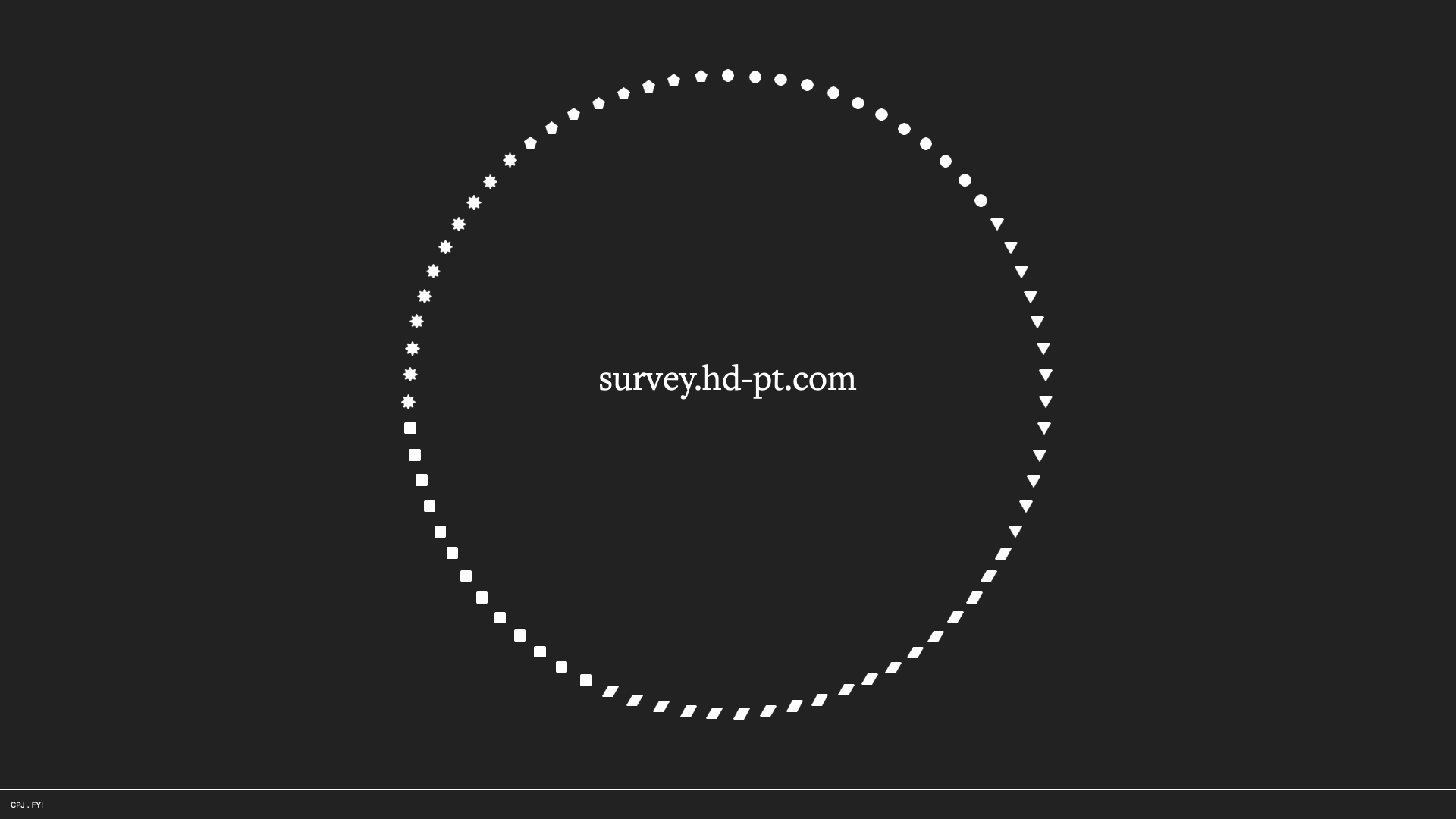
So I built a survey. I got one hundred and seventy-four respondents across twelve industries. I split them into high-performing organizations (growing revenue, engaged employees, strong employer brand) and everyone else.
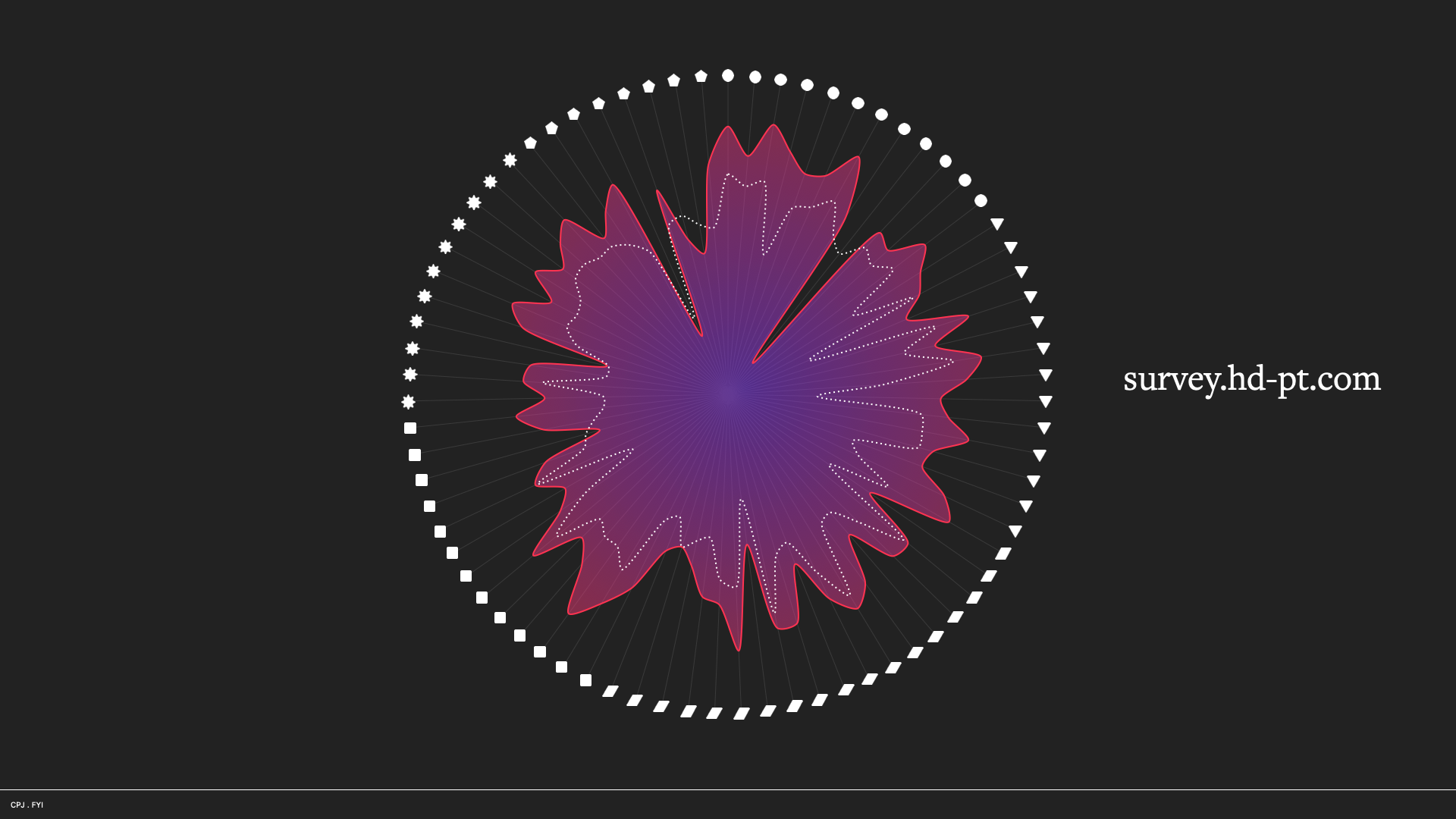
Of course companies that apply more of these patterns are more successful. Of course they are. But how much more successful? How much more do they apply these patterns?
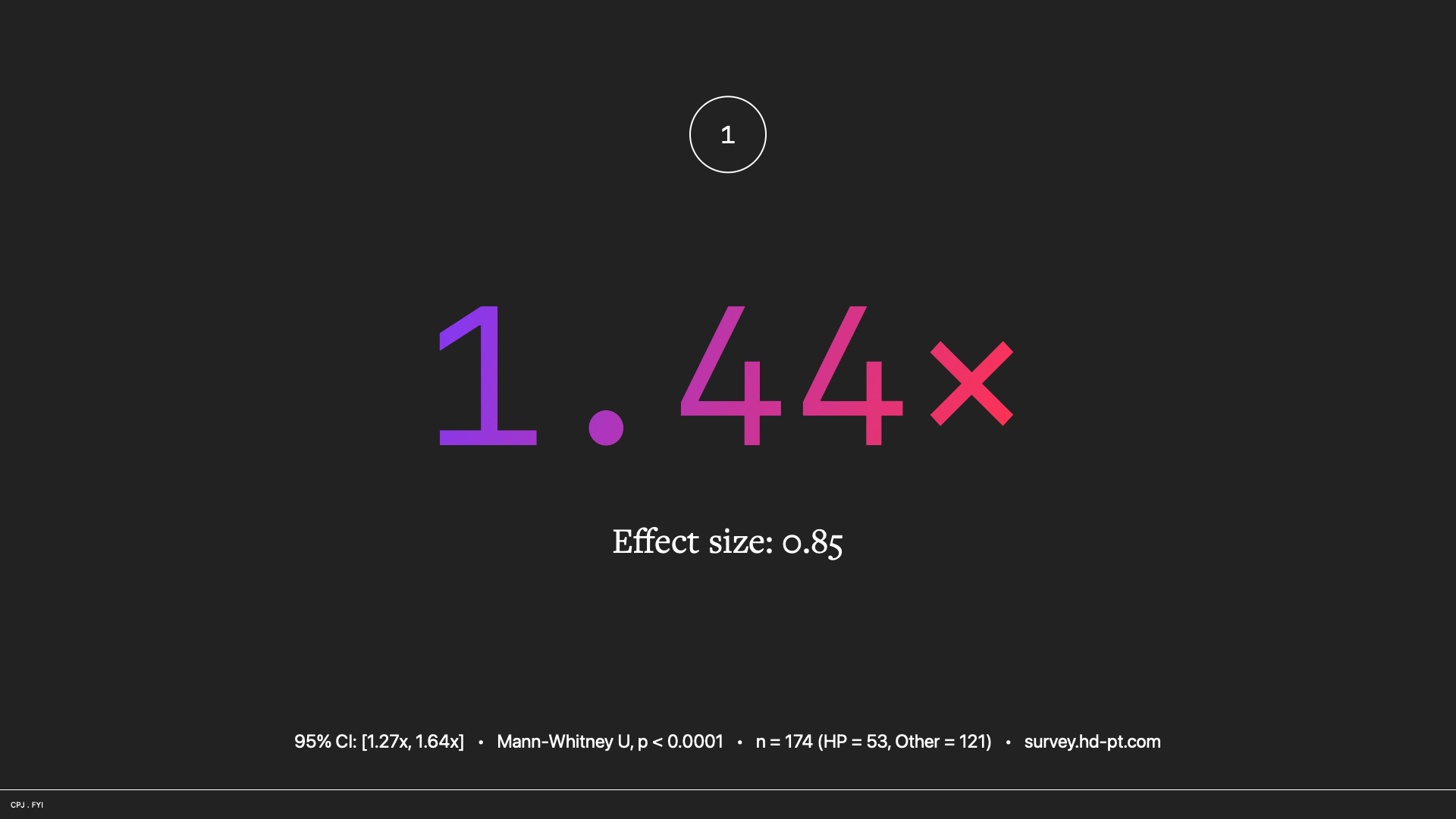
High performers adopt these patterns at 1.44 times the rate of everyone else (95% CI: 1.27x–1.64x). The overall effect size is a Cohen's d of 0.85, which means the average high-performing respondent scores higher than eighty percent of the comparison group (Mann-Whitney U, p < 0.0001). That's describing a different world!
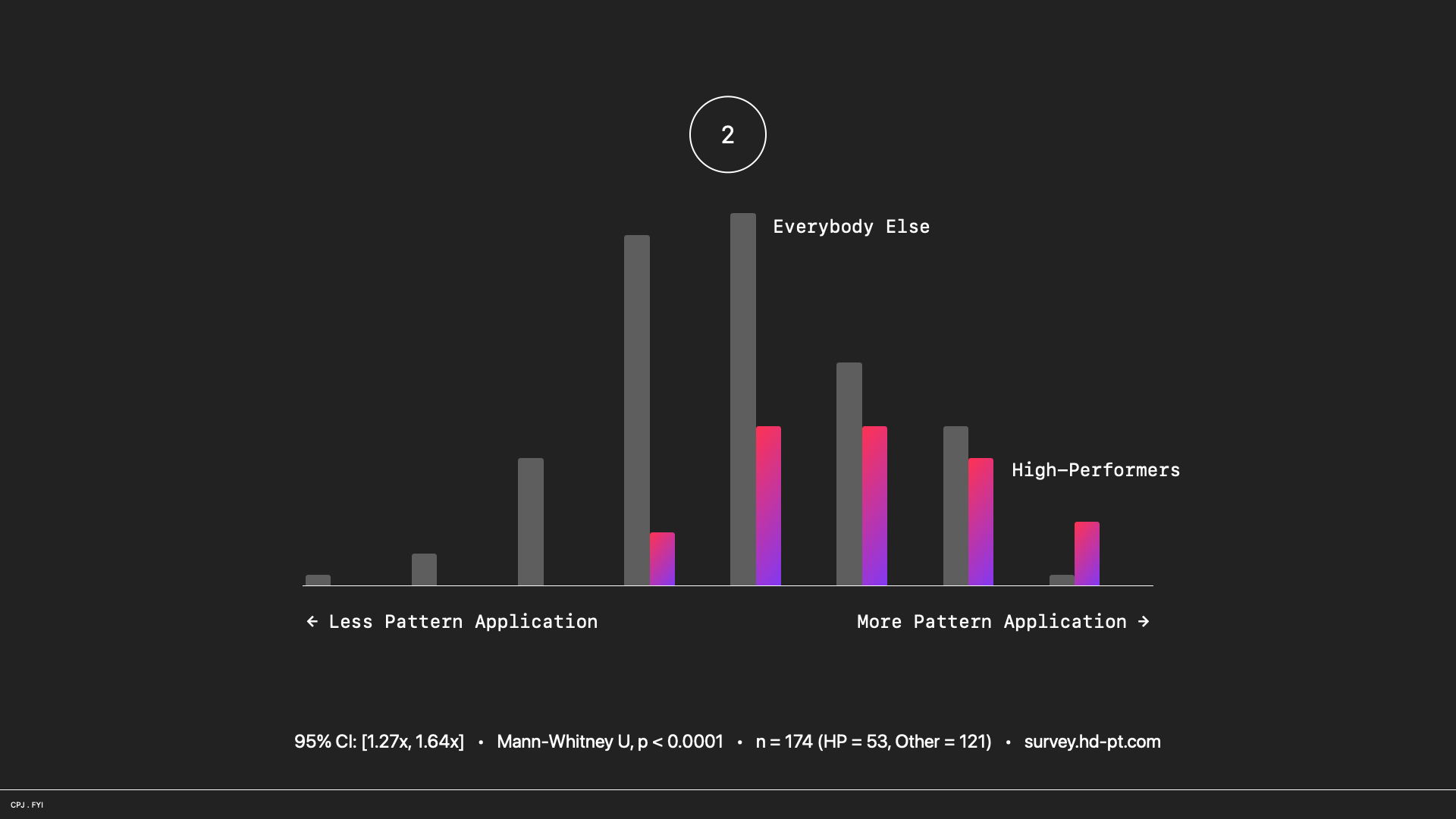
The distribution of the data is, perhaps predictably, bimodal. Two normal distributions, with the high performers shifted to the right. It would appear to me that organizations don't gradually adopt these patterns, gradually drifting toward better ways of working. You either have the system or you don't.
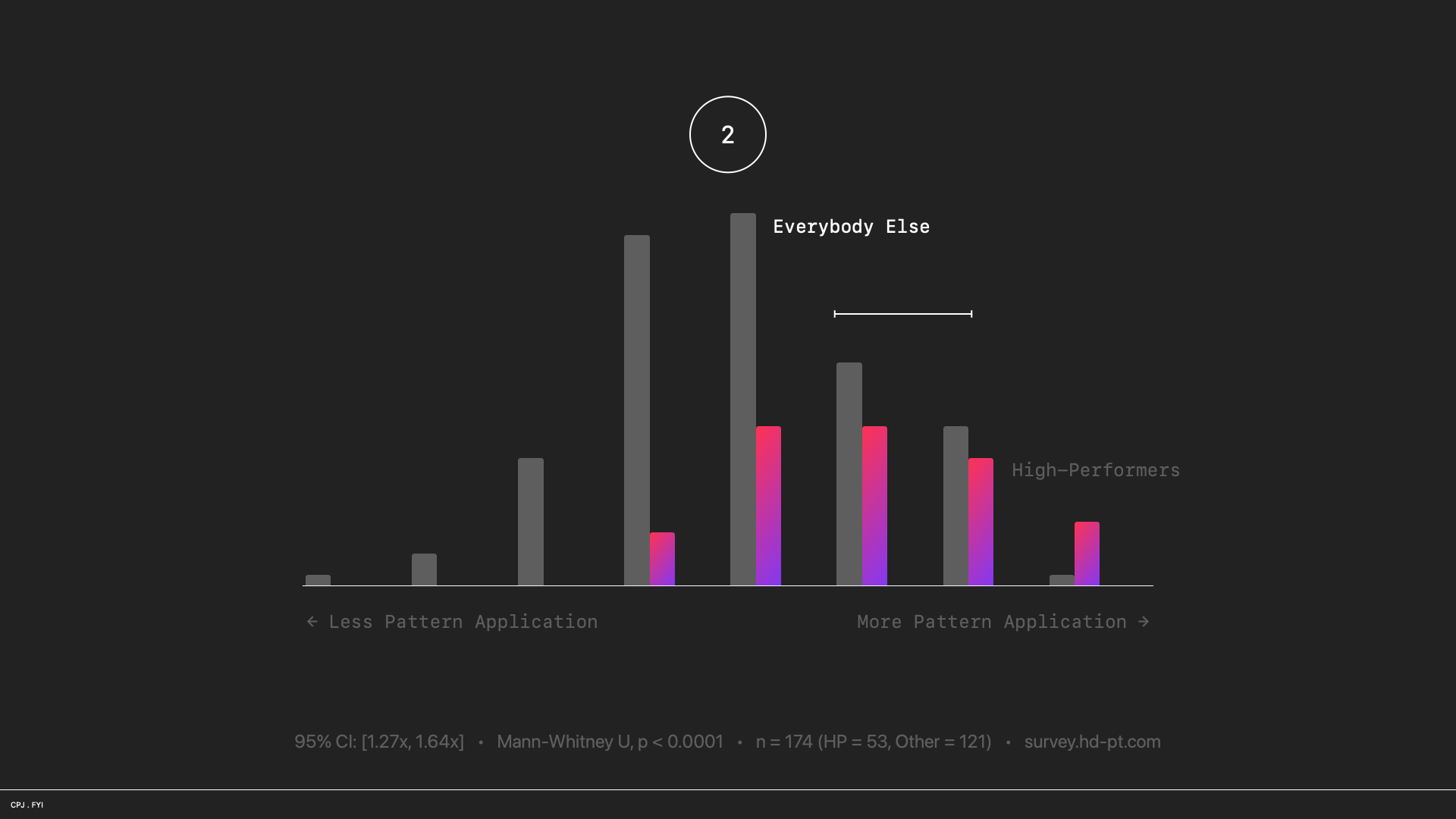
Eagle-eyed observers will note that nearly a third of the lower-performing group scores above 3.5 overall, or well into the territory where you'd expect to see high performance. They're doing a lot of the right things, but they're doing them in isolation. They're stuck in between: too much new stuff to go back, not enough to reach the other side. It's like asking teams to adapt quickly inside a company that takes nine months to approve a budget change: the agility is cosmetic, and the system rejects the transplant.
We've seen this in a number of studies over the years: organizations resist change during long stable periods, then undergo concerted, dramatic shifts across multiple variables at once. The complementarity in the data supports this: the return on one practice depends on having the others. Partial adoption is inherently unstable.
Reader, I did not expect this. I hoped to write a book that presupposed that you could do some of these things, but not all of them, and that would be fine. That you could work your way toward a better world. What I am learning is that perhaps you cannot. Perhaps it is a whole-of-culture, whole-of-organization thing, and maybe that's OK.
The differentiators are about power
Everybody does advice-seeking, demos, adaptive agendas. Many organizations reported the presence of self-managed teams, or at least what most organizations call self-managed teams, which is usually "teams with some autonomy but a manager still makes the calls." These practices are table stakes. And notice what they have in common: you can adopt every one of them without fundamentally changing who gets promoted, who gets paid, or who makes the final call. They're additive. They make work feel better. They don't threaten anyone.
The practices that actually separate high performers from everyone else are all about power:
Elections. Structured, peer-driven leadership selection; not a suggestion box, but a real process with nominations, rounds, and consent. High performers scored 3.43 on this. Everyone else: 2.10.
Talent Marketplace. The organization works like an internal labor market. People can see where the work is and move toward it without needing a manager's permission. High performers: 3.67. Everyone else: 2.12.
Team Incentives. The team wins together or not at all. High performers: 4.00. Everyone else: 2.81.
Who gets to decide. Who gets to move. Who benefits when something works.
Where do you start?
Elections and talent marketplaces sound wonderful. But you can't walk in Monday morning and tell your CEO you're doing peer-elected leadership. But every one of these patterns has smaller patterns underneath it, and you're probably already doing some of them. You just stopped walking before you got anywhere.
To get to Elections, start with advice-seeking, since most teams already do this. Now make the process explicit: who has input, who decides, what counts as a valid objection, when a decision is final. That's structured decision-making. Add rounds: everyone gets an uninterrupted turn to speak. Add consent: proposals move forward unless someone raises a real objection. Now you have the infrastructure to safely elect a leader. Not because elections are easy, but because you built the foundation that makes them possible.
To get to Talent Marketplace, start with showing work, via demos, reviews, whatever you call them. Now make that the default across all teams, not just within yours. Work in public. When work is visible, people can see where they're needed. Treat roles and teams as temporary, designed to be dissolved and reformed as the work changes, not permanent fixtures. Give people real authority to move toward the work. And here's what happens next: when people start moving between roles, they stop fusing their identity with their job title. That's role-soul distinction, and it's not a prerequisite, but rather something that emerges when you let people flow.
To get to Team Incentives, start with retrospectives, because you probably already reflect as a team. Now write it down: a real team charter with purpose, roles, and decision rights. Clarify what the team owns: its domains, its assets, its standards. Start measuring team outcomes with metrics reviews, not individual output. And then tie rewards to those outcomes. Most organizations try team incentives without doing any of the work underneath. They slap a team bonus on a group of people who don't have shared goals, shared ownership, or a shared way to decide anything. Of course it doesn't work.
None of these paths requires a reorg. All of them require a decision that someone with authority has to make, and then not take back.
The accelerant
So...why all of this at a tech conference? AI is an accelerant, and accelerants amplify dynamics that already exist in the system.
If your organization has the structural permission for people to move, to lead from the work, to share what they discover, AI makes all of that faster. Someone builds a prototype in a day instead of a quarter. A team of four does what used to take a department. And the organization lets them, because the permission was already there; the plumbing already works.
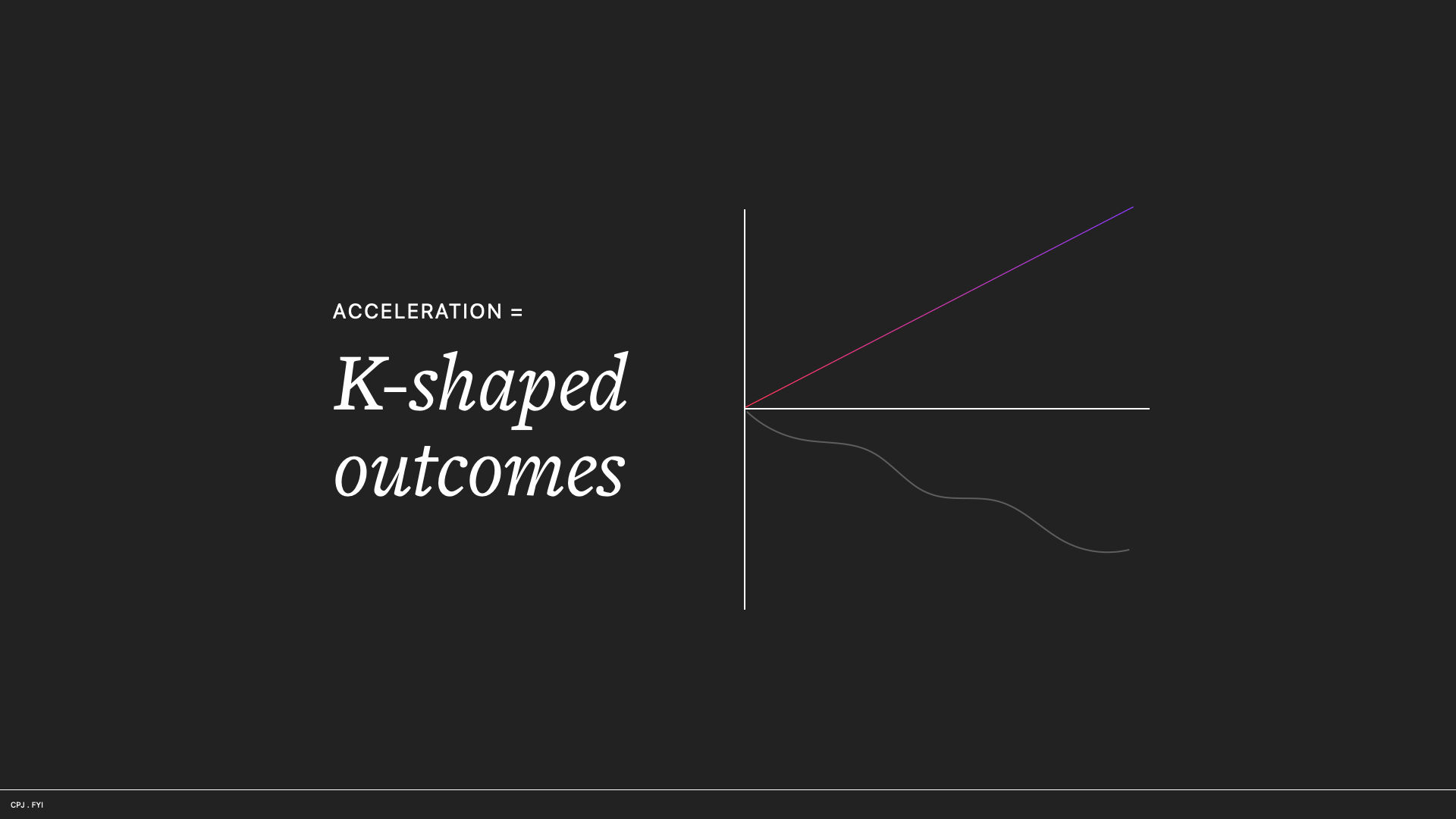
But if your organization doesn't have that? Someone on your team is going to discover a genuinely new way to solve a problem, and it's going to die in a review cycle. Or worse! They're going to hoard it. If you reward individuals and someone figures out how to ten-x their output, why on earth would they share that with the team? They'd be diluting their own advantage.
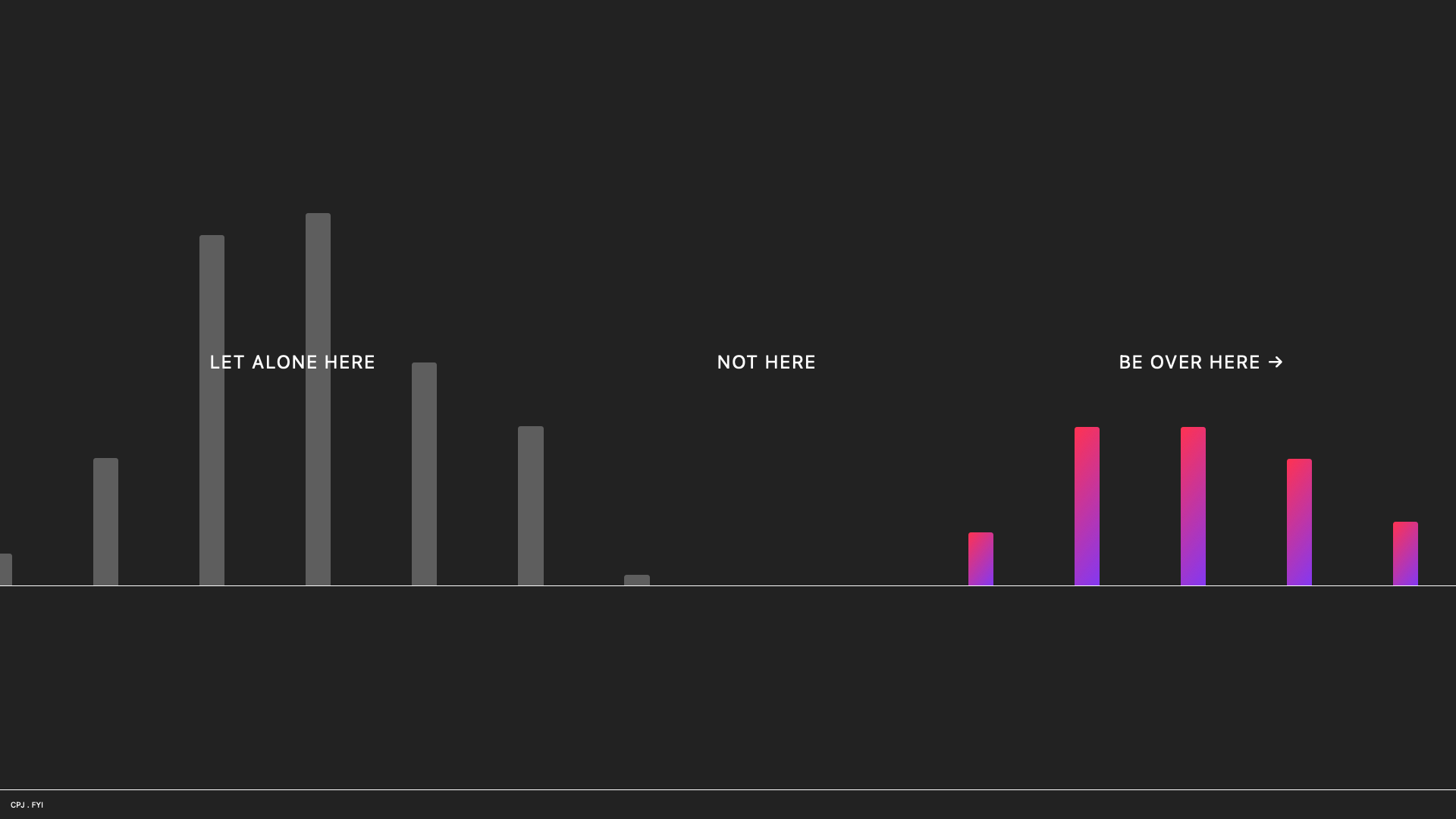
The bimodal distribution is about to get very painful. The gap between the two groups is about to widen faster than it ever has. And if you're stuck in between, doing some of the right things but not enough, I'm worried that the path is toward low performance, not toward ~acceptable performance.
The organizations that win with AI won't be the ones with the best models or the biggest budgets, although those things will help. They'll be the ones where permission isn't something you ask for. The ones where permission is baked into how the system already works.
The cleared calendar
Come back to London with me. That cramped conference room, the thermostat that lies, four people and a forbidden Google spreadsheet.
AI is clearing the calendar at a scale we've never seen. The hours are coming back. Millions of them. And the only question that matters is: can your people move? Can they focus? Can they try something without asking? And when it works, does the team benefit, or just the person who happened to discover it?
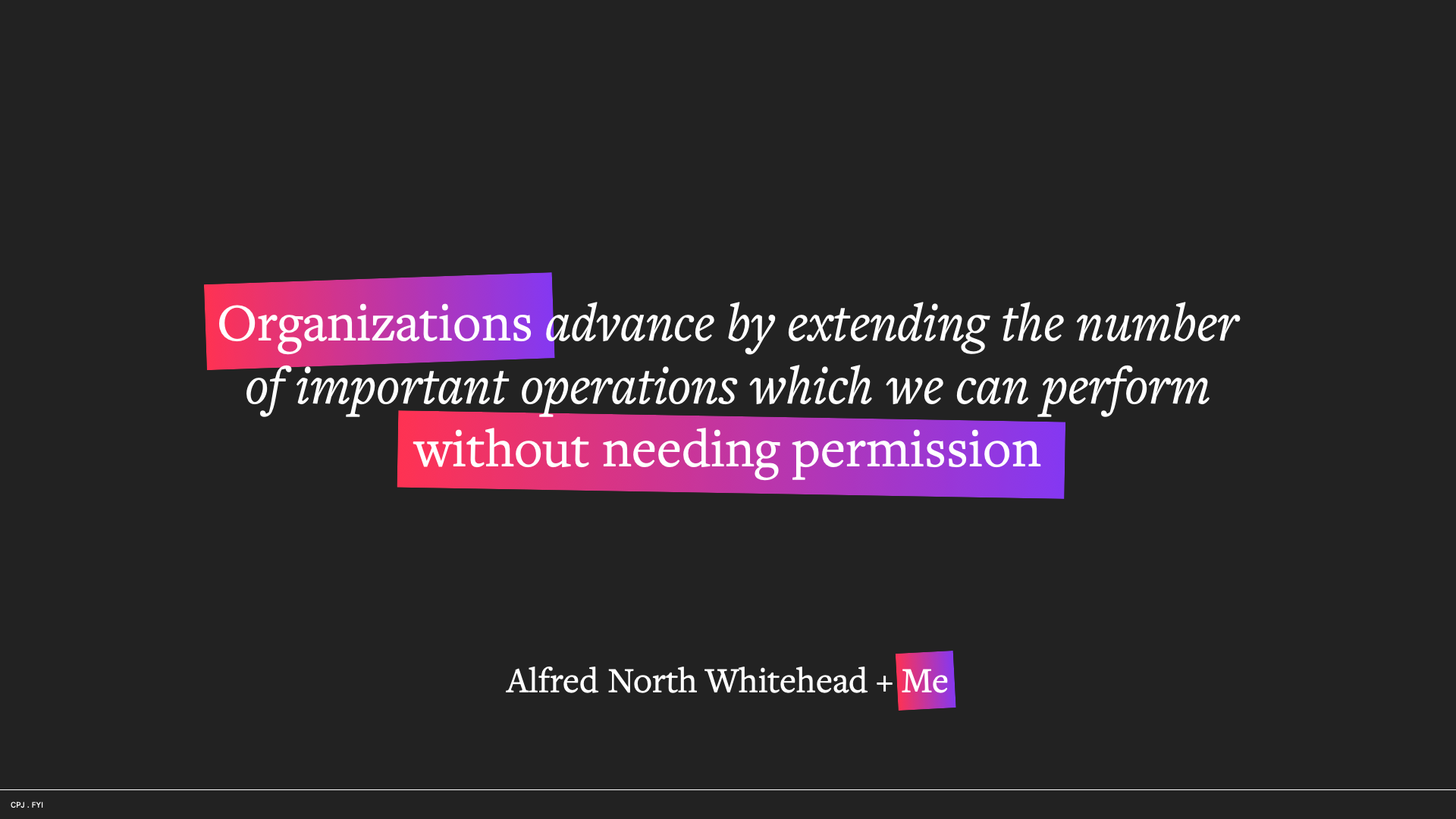
The hard part is what it's always been. Are you willing to redistribute power? To remove the invisible barriers? So that when the calendar clears, people can actually move?